
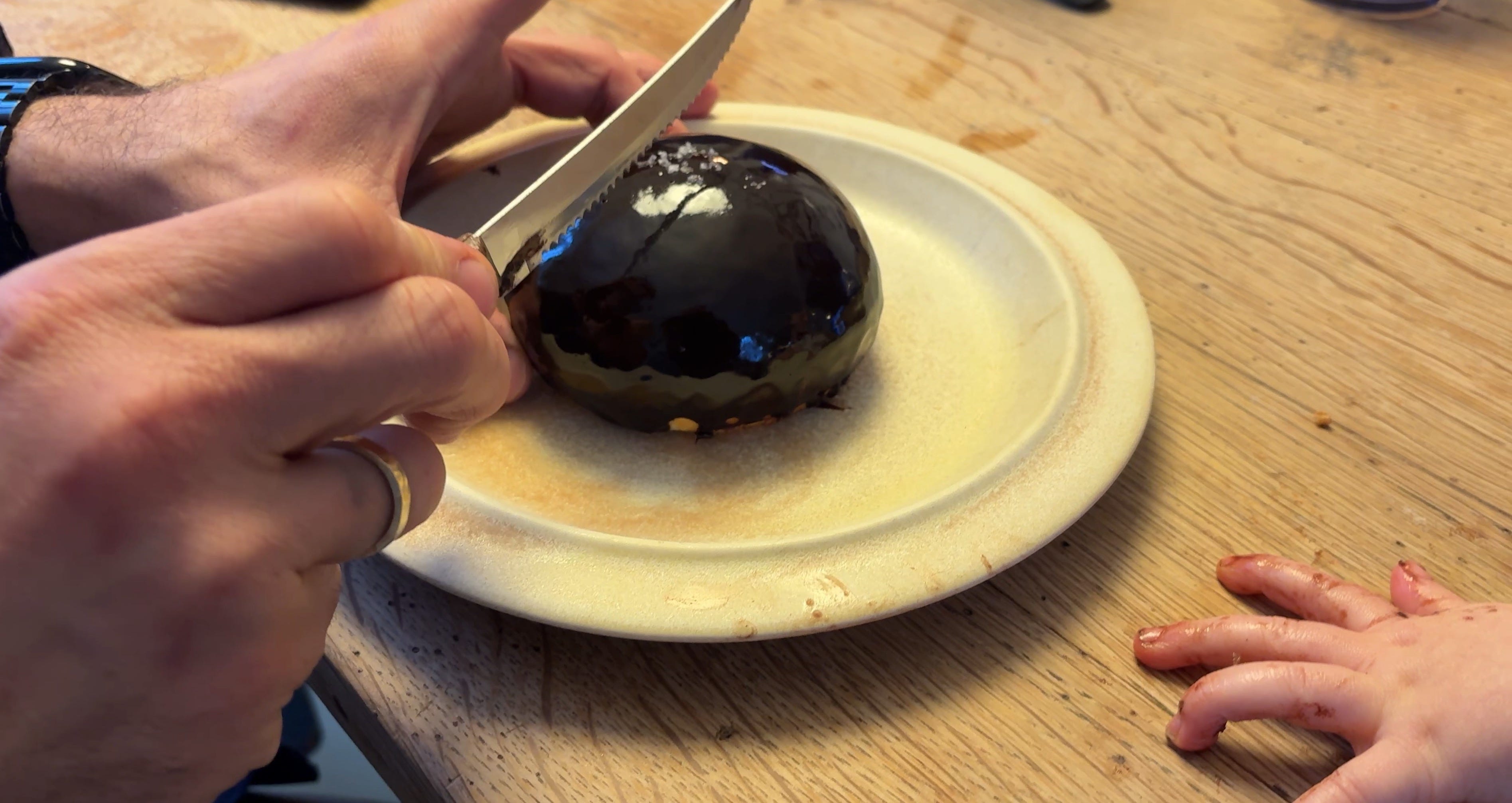
Fastelavnsboller have been running amok in Copenhagen since COVID. Somehow, the lockdowns turned this innocuous Danish pastry into a nuclear arms race between the top bakeries in town. In the dullest part of winter, when Christmas feels far behind and spring even further away, bakeries began competing to create the most advanced versions of fastelavnsboller. Back in my days at Mirabelle, I was guilty of wanting to beat the rest. It was fun, and honestly, it was also a great way to generate revenue during the slowest, most boring time of the year: February.
This year, I’m going old school and simple. I’m not charging anyone for my fastelavnsboller, so there is no need to layer up too much.
The traditional version uses a simple sweet dough, while the more advanced ones feature laminated doughs that the pro’s most often will have in production. That is a bit of a stretch for a Sunday bake, so I opted for the traditional approach and created a simplified version.
Like everyone else, I went online to find a recipe to start with. Credit where credit is due: here’s the link to the original recipe I used as my base, which I’ve modified to suit my needs. Valdemarsro.dk is an incredibly popular website for Danish baked goods recipes.
If you insist on fancying it up, you can do the full glaze as stated in the recipe, but the more traditional, and more kid-friendly, version is glazed with powdered sugar, a little cocoa, and a drop of water. There is another caveat to consider: they are by far the best when still slightly warm, but glazing them requires the buns to cool off. You have permission to skip the entire glazing thing and just get at them still warm.
I did a vlog of my process that you can see on Youtube:
Ingredients
Dough
100 g butter
175 g milk
15 g yeast
1 tsp vanilla sugar
60 g sugar
2 eggs
1 tsp ground cardamom
0.50 tsp salt
400 g all-purpose flour
1 egg, beaten for brushing
Vanilla Custard
3 egg yolks
60 g sugar
15 g cornstarch
0.50 vanilla bean
250 g milk
Remonce
50 g sugar
90 g marzipan
90 g butter, soft and at room temperature
Chocolate Glaze
6 g gelatin sheets (or 2 tsp powdered gelatin)
120 g sugar
60 g water
40 g cocoa powder (Dutch-processed if possible)
80 ml heavy cream (35%)
Instructions
Mix the flour, sugar, and vanilla sugar together.
Warm the milk to 38°C (100°F).
Add the yeast to the warm milk and mix with the flour, sugar, and vanilla sugar.
Add the eggs one at a time, then add the cardamom and salt.
Cut up the butter and add it bit by bit.
Work the dough on the tabletop a little to strengthen it.
Leave it to proof for at least one hour.
Prepare the vanilla custard by whisking together the sugar, vanilla (scraped from the bean), and egg yolks.
Bring the milk to a boil.
Add the cornstarch to the egg mixture.
Pour the hot milk over the mixture, return it to the pot, and whisk it until it gives a little boil.
Cool down the custard as fast as possible.
Make the remonce by whisking the marzipan and sugar together.
Add the butter bit by bit until everything is whisked together.
Bloom the gelatin by soaking gelatin sheets in cold water for 5–10 minutes (or bloom powdered gelatin in 30 ml cold water).
Cook the glaze base by whisking together sugar, water, cocoa powder, and cream in a saucepan.
Bring the mixture to a gentle boil, whisking constantly, and let it boil for 30–45 seconds.
Remove from heat and squeeze excess water from the gelatin sheets, then whisk the gelatin into the mixture until fully dissolved.
Strain the glaze through a fine sieve to remove bubbles and cocoa bits.
Let the glaze cool to 32–35°C (90–95°F) before glazing the buns.