
“Is it possible that you just need to slow down? Have more time off?” It took me a good few years of therapy to understand why I was so enamored with the thought of moving to the countryside. I dreamt of that life so well connected to nature and disconnected from everything. else. The therapist had listened to my visions and business plans, nodding thoughtfully through all of it. She was never impressed, much to my disappointment. I had, and still have, a knack for persuading everyone around me to join my vision and share my dreams. But I guess her emotional detachment was exactly what I was paying her for.
In 2016, I established the Farm of Ideas to supply my small group of restaurants with fresh vegetables, and since then, both raw milk, eggs, and a steady supply of ideas feasible in theory and impossible in practice. I was obsessed with reconfiguring what it meant to be a chef. I wanted to get out of the kitchen and swap the Birkies to Blunnies so I could tread around muddy fields with my desire to reconnect the land and the kitchen. Agriculture and gastronomy. Why I wanted to do so, I am still not sure, maybe future therapy will get me there. I believe the small amount of hands-on farming I witnessed in my Sicilian childhood gifted me with a special connection with the land, and more so, with the people of the land. I never moved out of the city: a failed relationship oddly saved me from taking the personal leap, so instead of moving out with a family, I became single and kept the pastoral vision strictly business. Lucky for me, less for my business partners at the time. A curious, energetic, and experimental chef can cause as much havoc as innovation, and it might be in the interest of the shareholders to limit his scope to at most a couple of kitchens and restaurants.
But my vision was about much more than me (future therapy might disagree). It was about the cultural role of gastronomy and what a chef’s responsibility was, or at least COULD be. My venture was 50 min. outside of Copenhagen, and as the culinary scene of the city was coming to a boil, I believed the culinary magic could spill out into nearby supporting communities. I was dreaming of my restaurants becoming the engine that could shift the gears of the surrounding landscape. Increase agricultural ambition and provide greater diversity and higher-quality produce. All to satisfy the clientele screaming for more and more “New Nordic”. COVID successfully reigned this chef back into his couple of kitchens and restaurants, and my large-scale dreams and visions of gastronomic “change” were reasonably filed under “Not a Priority.”
I have had the pleasure of living out many of my dreams, though, and I struggle to name emotions that can rival the feeling of accomplishing what you set out to do. More so when the vision had seemed impossible, and my peers more than skeptical.
As I am returning from a trip to Norway I have just experienced a different sense of accomplishment. A feeling of accomplishment and genuine appreciation for the success of others that I never had access to, when I was myself in the “game”. The cheffy “game” of opening restaurants, “projects”, and the race towards new ideas. The doubling down on everything from aging your meat longer than your competition, to coming up with something to ferment that no one had ever thought of, or forcefully attempting a new way to cut mackerel. The dedication towards novelty is driven by vision, yes, but sure as hell by ego as well. I wanted to be first with my ideas, so anyone who seemed to be catching up or ahead of me would be a target for my envy, packaged in admiration and respect.
Today, I feel a sense of freedom in appreciating the great work of others. Even when they seemingly have realized the dreams that I once had, and in all honesty, gave up on. Halvar Ellingsen has achieved exactly that with Kvitnes Gard. I was convinced that farm life was the missing alma mater of my cooking, but my attempts to bring kitchen and farming together were always limited by my hesitancy to unplug from the city. My restaurants did well, too well to relocate, and maybe my therapist was right, I did need something else, and it took me years to realize that living a slower life was not achieved by more restaurants in the countryside, but perhaps by less.
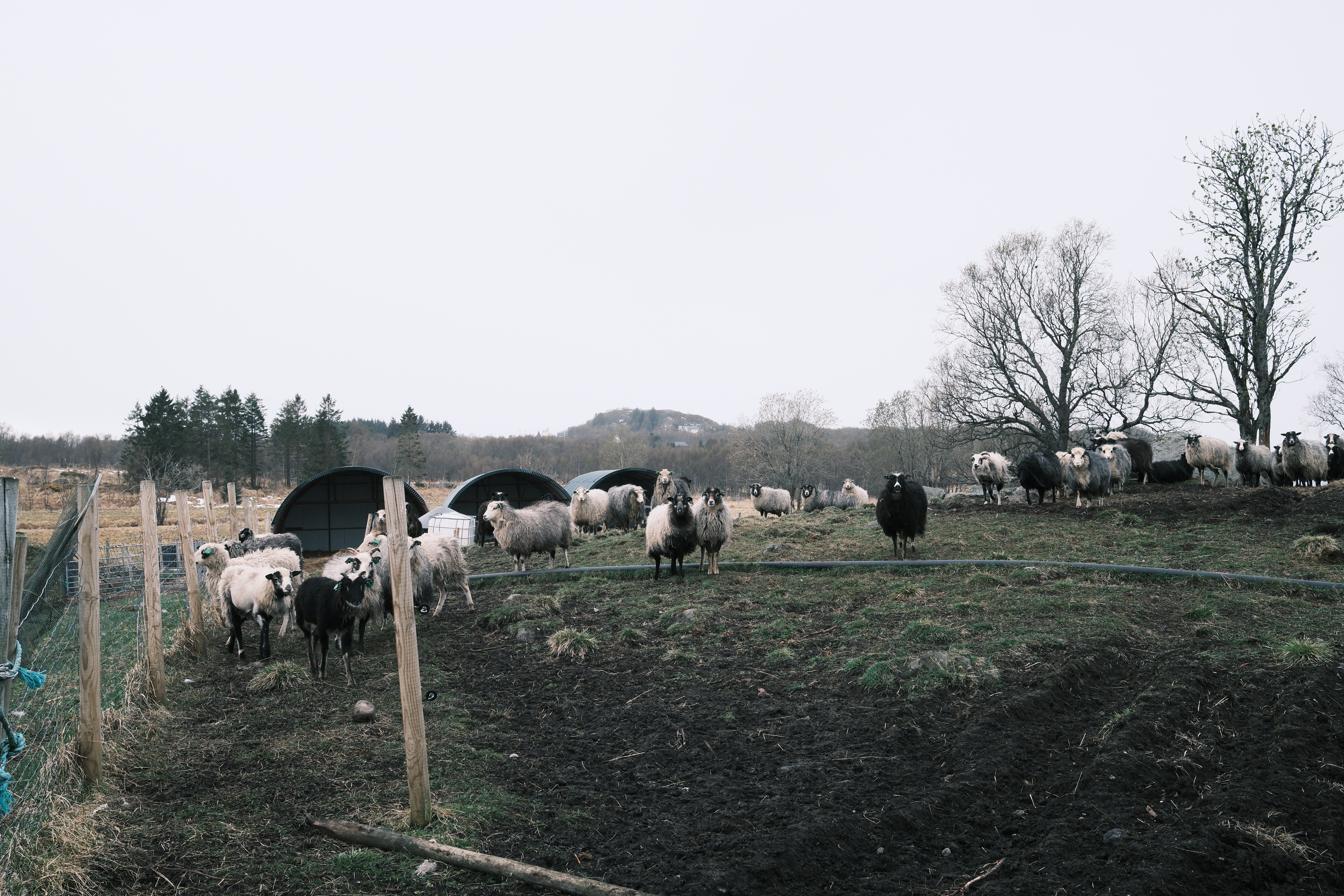
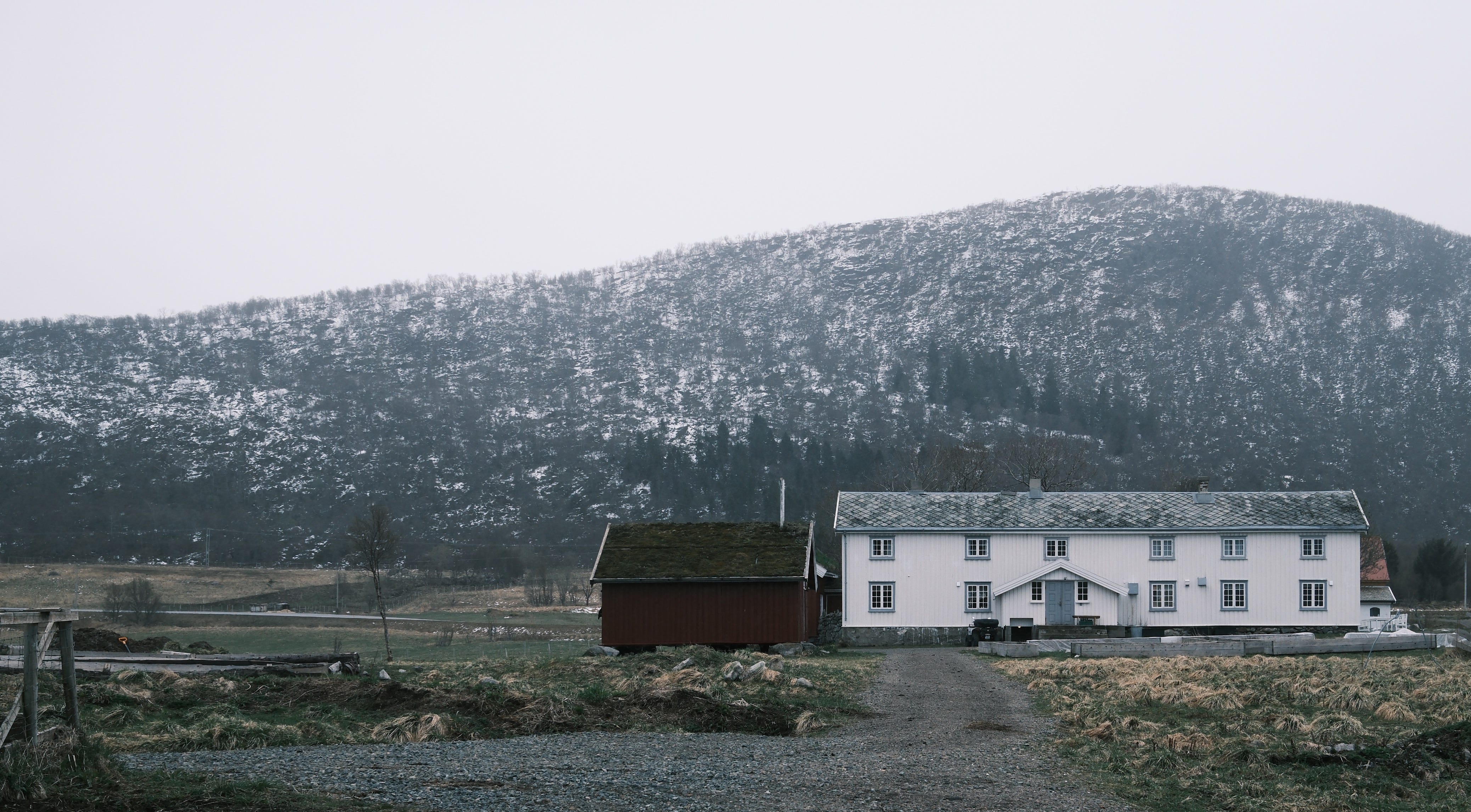
Walking around the farm with Halvar, not the pretty, manicured veggie patch that insinuates more than it provides, a real farm, I was not jealous. I was truly impressed. Halvar, like me, prefers trying what seems impossible to sticking to what seems to work. As we enter the root cellar after the stable housing rare breed Norwegian cows, the sty with wooly pigs frolicking in the mud, observing the goat kids playing freely, and the experimental green house with tiny plants still very far from being planted out in late april, it is obvious that he likes his plate full and that he rarely stands down from the opportunity to try something new (on the day we first arrived, so did 3 tiny running ducks he picked up from a nearby farm.)
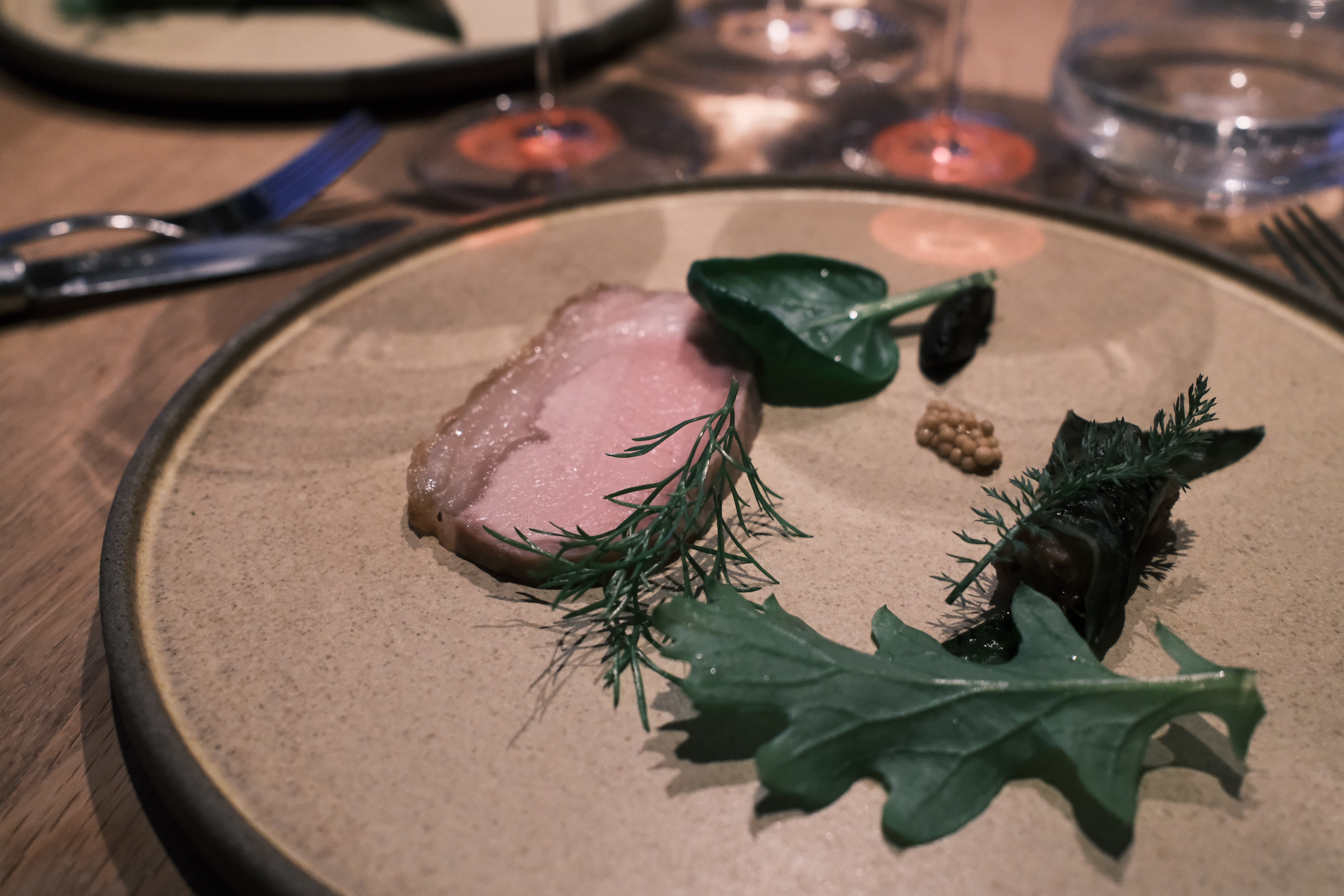
His cooking is delicious and as casual and rurally relaxed as he is. He sees the farm’s limitations as his greatest advantage and wears the failures of the farming experiments with great pride. “We only harvested 6 precocious corn last year, enough for half a service, but you know we grilled the plants and made a great dashi,” he said laughingly. The farm is his playground, and, just as I had been dreaming of, the process involving the chefs is redirected to the source. The chefs seeking to work for him can find themselves deboning the goats they helped chase earlier that season, and remembering to weed between the turnips becomes part of their daily Mise En Place. In return, the celeriac is barely manipulated once the chefs have midwifed it into this pastoral wonderland. That was the exact recalibration I was dreaming of: the chefs craft tilting more towards the source of the product and stewardship and less towards unnecessary decoration and manipulation of nature’s bounty.
I believe the Copenhagen scene, and perhaps all of the Scandi capitals, are over-saturated with restaurants and increasingly bored with a New Nordic, local first, kind of approach to cooking (see my YouTube video discussing it to hear more), but on this trip, I have caught myself dismissing the value of this type of gastronomy a little too soon. Halvar Ellingsen had invited me to this year’s Mat og Prat event, where locals and professionals discuss culinary culture. Amongst the speakers were a chef from Oslo producing ferments from scraps, the director of a Cod Museum, and a couple with a similar vision to Kvitnes in Mo i Rana, Til Elise.
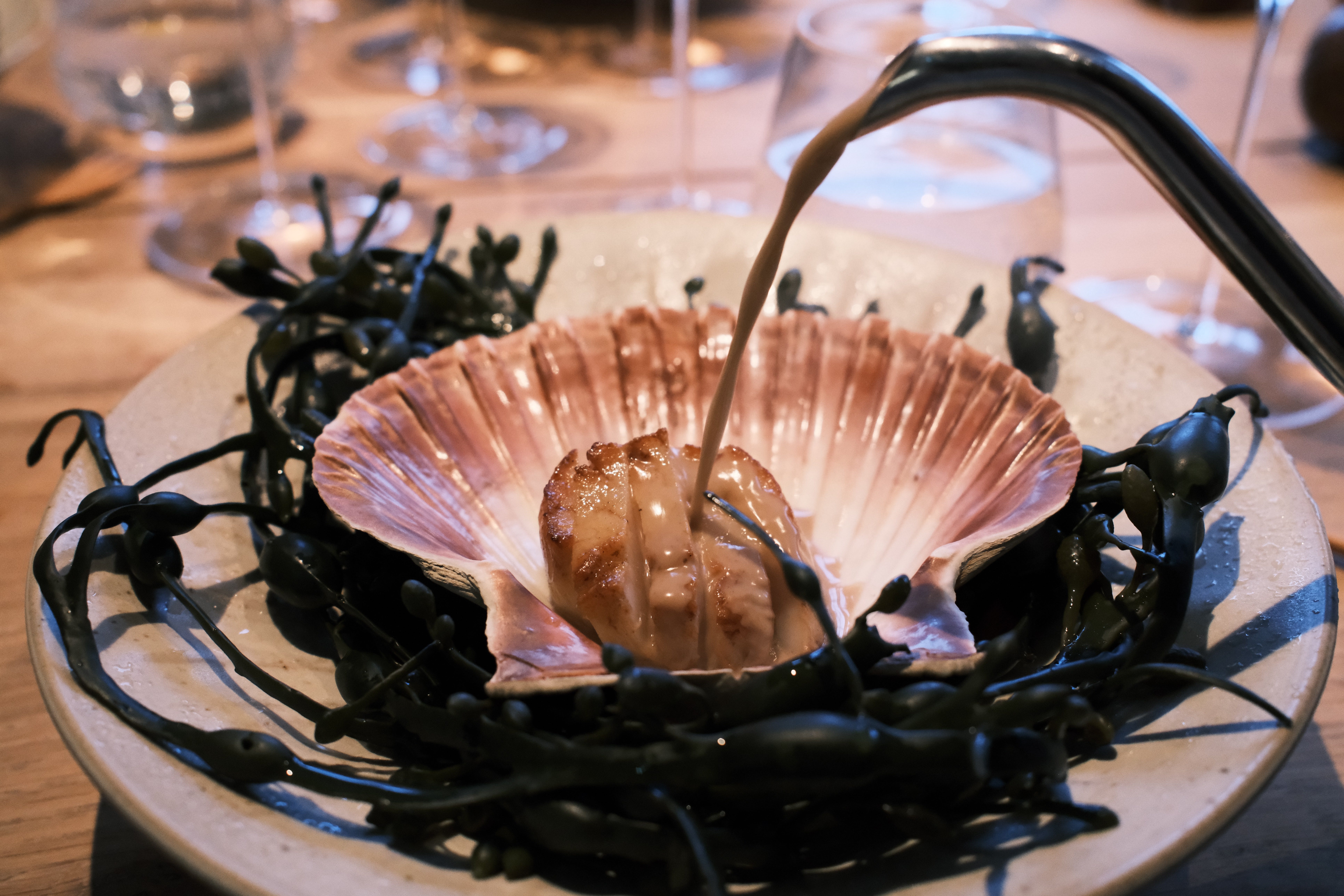
Both Kvitnes Gard and Til Elise, both situated in very remote areas of Northern Norway, are examples of how the culinary anchor created by a restaurant can also become the cultural gathering point for a small community. Both restaurants are creating a type of tourism unheard of in the area just 5 to 10 years ago, and the positive effects are obvious and tangible. So are the workplaces they create and the local pride they foment. I have a hard time imagining how local talent could return home and create a business with that kind of impact that would not be exactly that: a restaurant.
When Halvar slips off the muddy Blunnies (the restaurant has a strict shoes-off policy) to enter his dining room and chat up the full restaurant, he is truly living my dream. He is actively leveraging gastronomy to create workplaces in a dwindling and remote society. As much as I appreciate his work, I understand how much work all of this is. Putting yourself at the very center of such an enterprise is risky, because if you start losing your breath, your momentum, and your energy, the consequences will spread fast.
My project never had the local impact it could have; maybe my dreams of a slow life couldn’t change the fact that I am a true city boy. Maybe my therapist was right, and maybe no restaurants is exactly what I need.
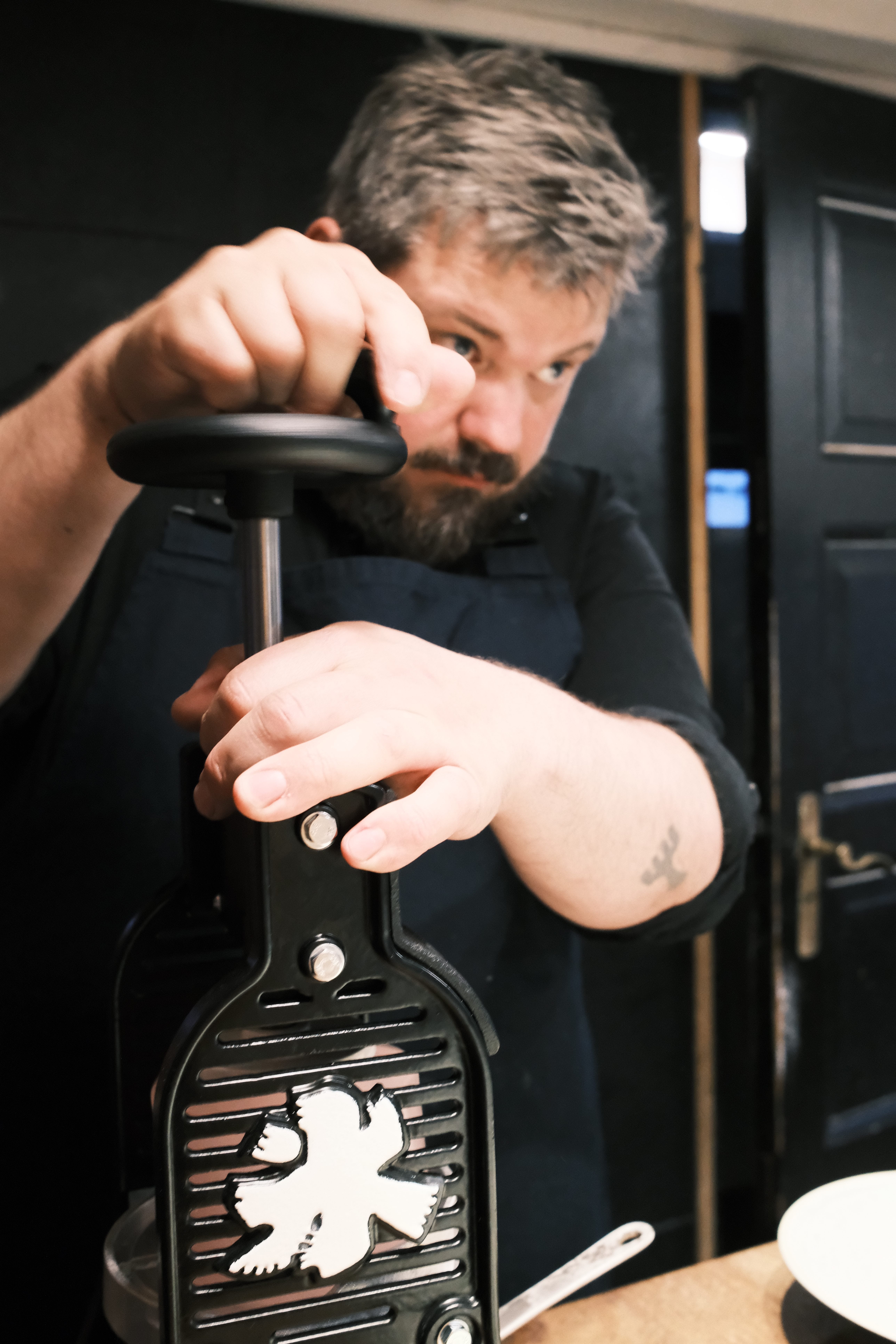
Is that a Swan Ice Shaver? NICE!
I guess a lot of people romanticize “escaping” to the countryside without realizing how often we recreate the same intensity in a different setting. Wishing for a slower life and somehow turning that desire into yet another ambitious project. Nice read!