
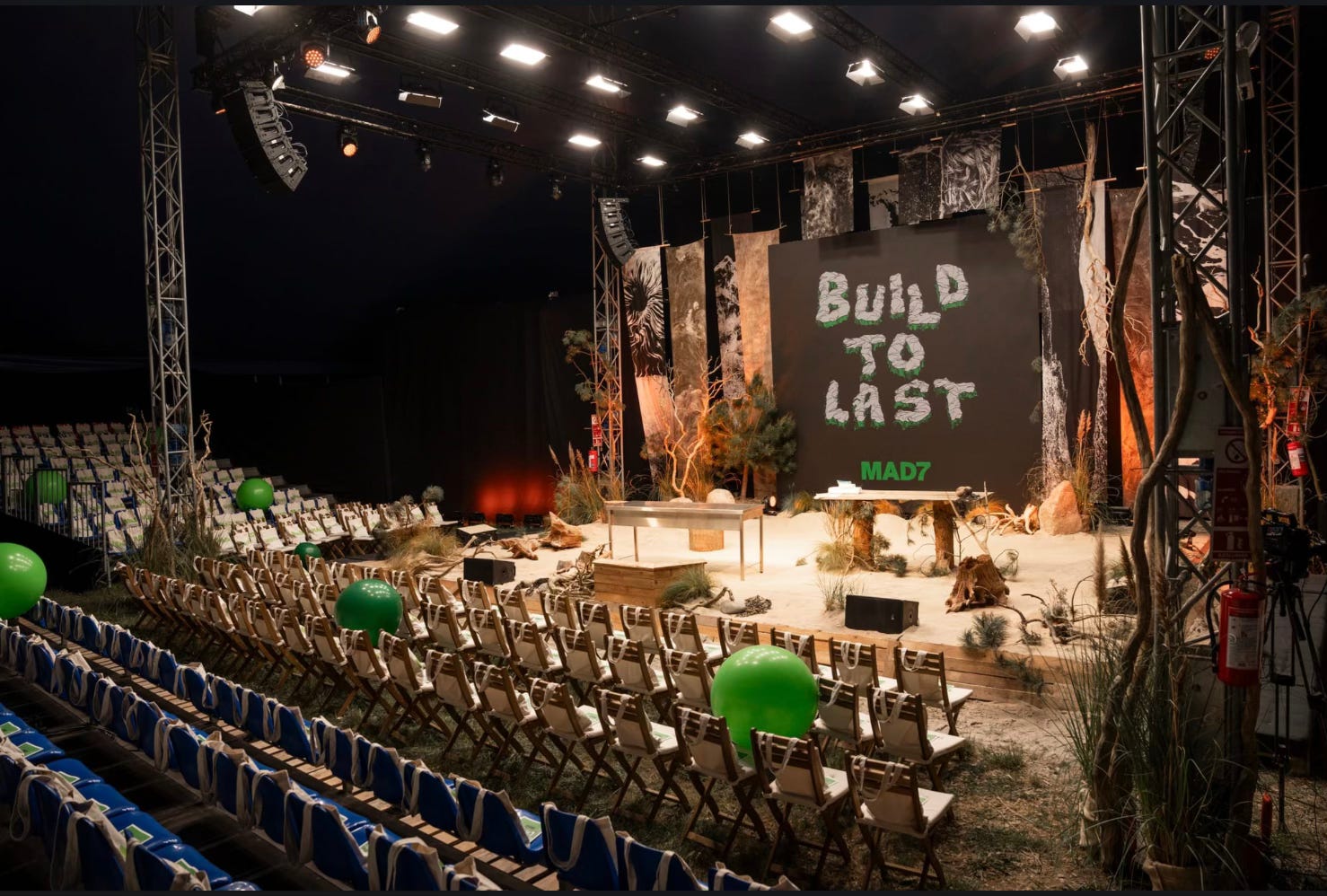
As I pointed out in my first essay about the expectations for MAD7, the chef’s role had changed a lot since the first edition, and to some extent, become intellectualized. In the chef community, some more than others have been thriving in this new role, gathering attention as much for voicing their activist opinions as for their culinary actions, so to speak. Essentially, we have been doing a whole lot of talking, and at times forgetting what brought us into the kitchens to begin with: the work of the hand. The beauty of the “geste,” as the French call it. The touch of a craftsman, the muscle memory of thousands of repetitions doing something truly useful and intrinsically valuable.
While MAD helped give the community a voice to begin with, they still bring us all together with the silent performance of a skilled set of hands. This, to my recollection, has been the start of every symposium, and I am mesmerised as Christine Schauflinger skillfully wraps up a strudel, gathering the first round of excited applause of MAD7.
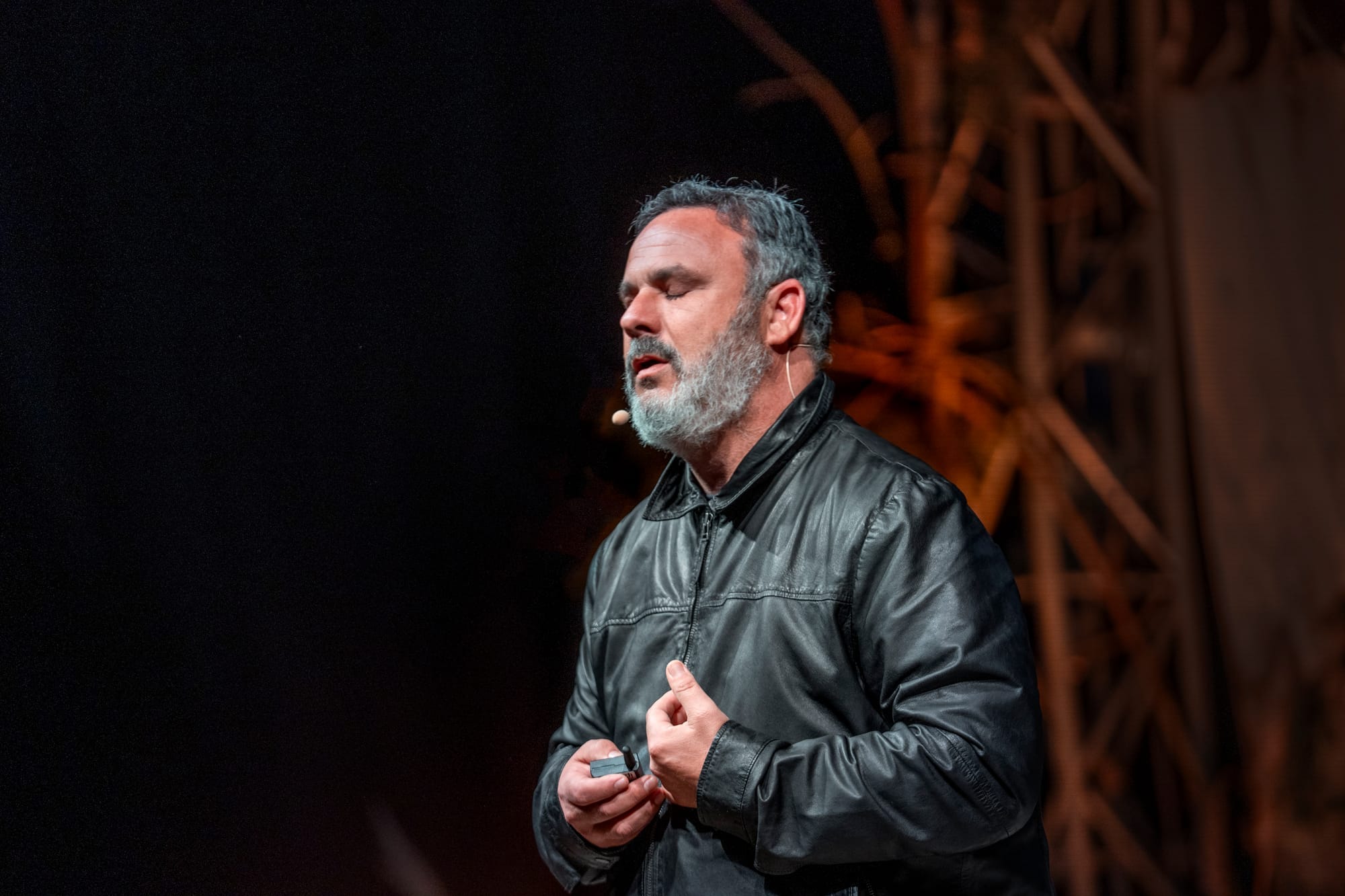
The day unfolds with touching talks of craft, passions, and purpose as the theme of Building to Last is starting to take shape. Various examples of generational change and proposed ideas on creating something that can truly last in a world that spins faster than ever are presented by a largely varied crowd of proponents in the culinary-ish world. Everything from the self-proclaimed “Psicopata del Mar” chef Angel Leon and his passion for cooking plankton, to the truly volcanic winemaker Arianna Occhipinti, bursting with passion and pride for her land, and what is her mission with her “friend” the Frappato grape from her region. But also the enormously inspiring Roman Krznaric, appealing for us to take up a cathedral project; something we know will last way past our own life, and that we will never get to experience ourselves. Finally, culinary Godfather Thomas Keller has seen it all and wraps the day up comfortably, pointing out that “having a dream is hard, living a dream is harder.”
All of the talks of the first day had a way of making me listen to their stories, with attention and at times pure admiration, as I remember it from the very first editions of MAD. All of these speakers had made great sacrifices to follow what they believed to be their calling. They were truly invested in their purpose, whether that would be to save the agricultural practice of the “Chinampas” in Mexico, or to take over the family restaurant in LA.
The Loss of Belief
Since the last edition of MAD, Covid had changed much more than just my personal traveling habits in 2020. The restaurant industry was severely impacted. The sudden, explosive outbreak of a worldwide epidemic created an incredible sense of insecurity for restaurateurs, chefs, and staff everywhere. In Denmark, we were well supported, with extensive subsidies keeping most, if not all, businesses afloat and allowing most staff to keep their jobs on furlough rather than be fired. I felt compelled to fire most of our staff or face bankruptcy during the first lockdown. A big group of young, skilled, and ambitious people, who believed deeply in what we were doing. Who believed in me, as a person and a leader. Luckily, thanks to government subsidies, they could all be rehired and sent on furlough. Still, the whole process broke something in me, and likewise, I felt that trust towards me had been compromised. Our world had changed, and it created deep insecurities. Rather than fascinating and inspiring, it was dangerous, risky, and without a common goal—I think everyone felt a bit left on their own. Including myself.
My reaction to insecurity was not to doubt, but to double down. To go all in; act, do, move, fight. I felt alone, but I was not afraid to act. My fear fueled my actions, at times making me act too bluntly and inconsiderate of everyone else’s flavor of insecurity. I did not get it: Why was everyone retracting, detaching, removing themselves? “Now it’s the time to show what we are made of,” I was thinking to myself, while I felt more and more on my own with my ideas, my restaurants, farm, wine bar, and wine imports. A million projects, and no one around.
Today I sense another perspective. The scale of global insecurity was new to all of us, and I can now acknowledge that we all reacted differently. But I think we all lost some of our belief. A belief in having a purpose, in striving for something greater. A belief in each other. Our belief is something larger than life. Might that be to farm vegetables as a chef, or explore sourdough baking, or standing on your feet 16 hours a day picking thyme just to see and feel the inside of the greatest restaurants of the world. Without deep belief and fascination, it all became too much asked, for too little gained. I understand that today.
I do think that you have to fall in love with cooking to withstand a life in it. You have to have a disproportionate amount of admiration for the visions or silent gestures of a master to want to put up with the circumstances that most of these people put themselves in. I have done it my entire life, since I left for Paris at 17. As with all true love, it cannot be explained. It cannot be rationalized. You just have to believe it and invest yourself in it, without considering the consequences. Once you pick it apart into small rational pieces, it never adds up, and it never seems to be worth it. Having a true belief in your purpose, a gut feeling that you simply MUST explore any possible cooking technique that could ever possibly be applied to plankton, makes absolutely no sense, for anyone but a true “Psicopata del Mar.”
From Skepticism to Nihilism
The loss of belief, insecurities, and post-COVID anxiety surfaced a new level of skepticism towards our institutions and their proponents. A time of reckoning with the current state of the restaurant industry had long been overdue, after many years of explosive change and an incredible rise into the zeitgeist and pop culture. The newfound role of the chef came under scrutiny, and certain behaviors and practices could not stand the test of time. As lockdowns, fear, and further isolation made our world more and more insecure and restless, it felt like people were pushed past skepticism into outright nihilism. Skepticism balances your outlook on the world and lays bare a system's flaws. Nihilism, on the other hand, makes the whole system pointless, and its flaws become all the disenchanted eye can see. In the years after COVID, it seemed nothing could be salvaged, and the whole system had to be dismantled. Isolation and an outlook on the world primarily through the polarizing lens of social media kindled more rage and more disbelief. The world became unforgiving, and it became an extremely risky endeavor to just try and do something. Making a group of people fall in love with a shared vision, an adventurous project, an ambitious restaurant, a crazy idea, became extremely difficult, as everyone had become worn out, and weary of this untrustworthy world.
I came to MAD looking for answers and to see whether it would once again be capable of pointing our chef community towards a new direction. As I approached the event, I described the world of gastronomy as fragmented and a bit confused. I think that the post-COVID nihilism is to take some of the blame. Demanding a system change while focusing only on its flaws, mishaps, crooks, and dark sides offers very little direction forward. While it might be a necessary first step, breaking something down is much simpler than building something new and better. What nihilism will never offer us is a dream to work towards. A dream will always require some level of belief and enchantment. Nihilism will only point to what is wrong, and it will never, ever let you fall in love with something.
Back to Purpose
I found this year’s MAD refreshingly unapologetic, more forward-looking, and less political than the last couple of editions. Giving a voice to the chef community has been extremely useful, but assuming every chef must be an activist for a better cause is counterproductive.
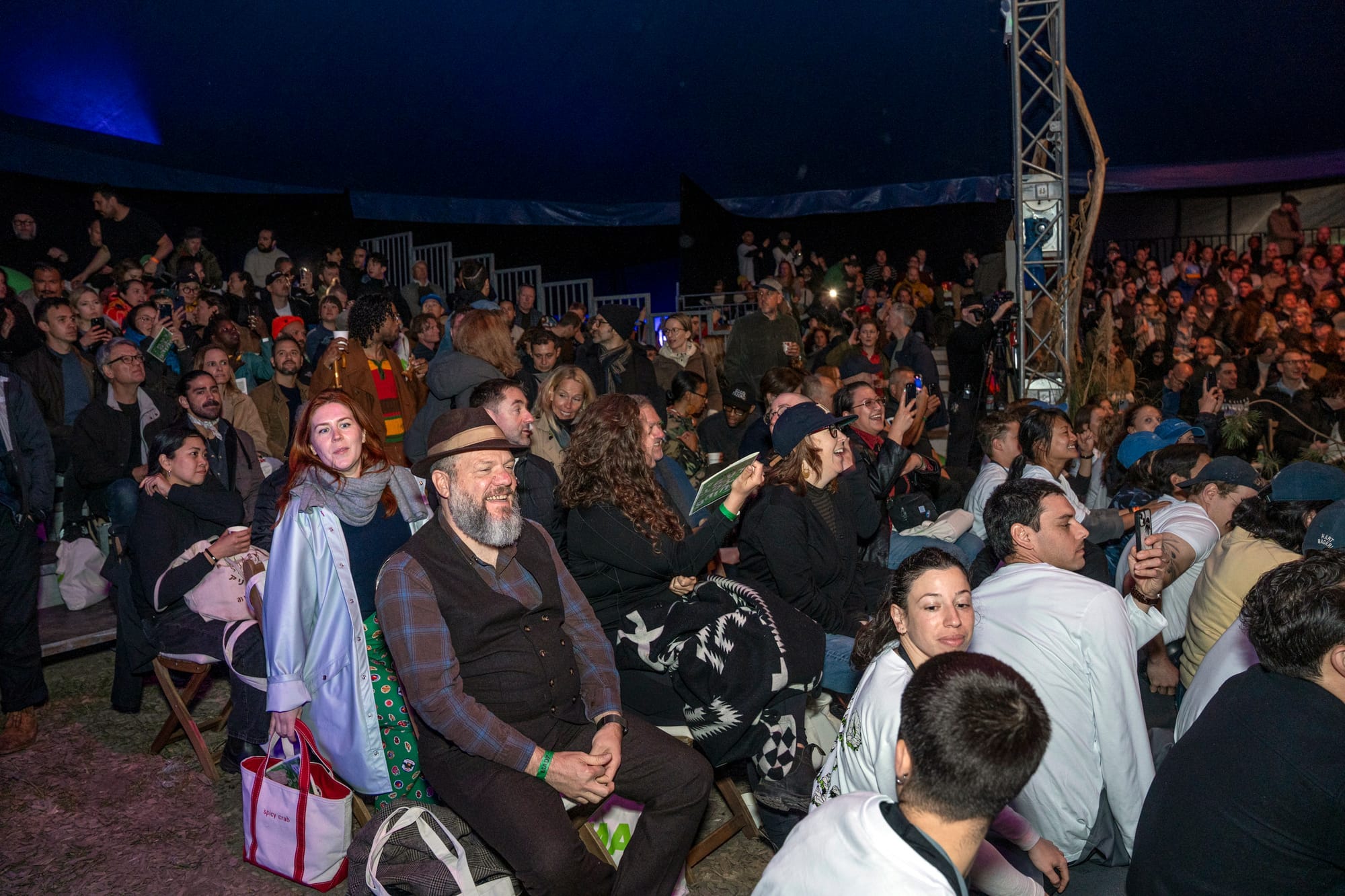
I don’t think we should take for granted that we (in the fine-dining chef community) must make it our only true agenda to make the world a better place. Coming from the world’s top fine dining restaurants, a moralizing message risks reducing otherwise great intentions to hypocritical virtue signaling. It does so by ignoring why so many of us find ourselves in this industry to begin with. It is rarely because of the work-life balance, or the particular efforts of a Human Resources department. It is more so for the magical “geste” of someone that we can admire, or the way their dedication to the craft inspires us. Chefs who have sacrificed thousands of hours, their personal life, and even their families, to achieve something unexplainable and irrational. The “geste,” the touch, the art, or the 8 variations of successfully cooked plankton. This, I believe, is the true power of the culinary world. To inspire by its love for the values that have been lost in so many other aspects of our world. To show that having a purpose and following it with irrational passion can also be a meaningful way to ultimately make the world a better place.
As the stories unfolded on the stage of MAD7, I had the feeling that purpose might just make its way back. That we have had our dark moment, and while it most definitely has served all of us to bring forward what has way too often been tucked away, we might just be ready to write new chapters. I found that MAD7 did not forcefully try to write those new chapters. Neither did it point the way. It rather reminded me of where we came from, where I came from, and that having a purpose is again; ok.
I think the new generation deserves a more forgiving environment than the post-COVID era has offered. They must feel free to explore new ideas to write the next chapters of the history of gastronomy. They should do so without having to feel the weight of the world on their shoulders, which in itself is too much to ask of anyone, and never offers much else than anxiety and depression.
They should be free to find their own purpose and embrace a renewed belief and love for the unexplainable. Now is the time to build something new and lasting. And to once again celebrate the audacity of those who dare to pursue their purpose.